In 1916, sixteen men from across northern England found themselves held within the walls of Richmond Castle, not for any crime, but for their refusal to participate in the First World War. Their story, etched into the stone of the castle's cells, remains one of the most significant chapters in the history of conscientious objection in Britain.
Who Were the Richmond Sixteen?
The Richmond Sixteen were "absolutist" conscientious objectors who, following the introduction of conscription under the Military Service Act 1916, refused to undertake any military duties whatsoever. Unlike other objectors who accepted non-combatant roles, these men held to their principles absolutely, declining even support work that would contribute to the war effort.
Their backgrounds reflected a cross-section of northern English society. Among them were Norman Gaudie, a centre forward for Sunderland Football Club's reserve team from East Boldon; Alfred Matthew Martlew, a clerk at Rowntree's chocolate factory in York; brothers Herbert and William Law from Darlington, a share broker's clerk and painter-decorator respectively; and John Hubert Brocklesby, a schoolteacher and Methodist lay preacher from Conisbrough. Others included ironstone miners Alfred Myers from Carlin How and Charles Ernest Cryer from Skinningrove; Ernest Shillito Spencer, a Quaker clerk from Leeds; and several more from Leeds, Ely, and surrounding areas. Their motivations stemmed from religious faith, including Quaker, Methodist, Congregationalist, and International Bible Student beliefs, as well as socialist political convictions.
Imprisonment at Richmond Castle
Richmond Castle had been designated a base for the Non-Combatant Corps in 1916, and its nineteenth-century cell block held thousands of conscientious objectors, primarily from the Midlands and north of England. The conditions were harsh; prisoners faced punishment diets of bread and water for non-compliance.
The sixteen men were brought together at the castle in 1916 after ignoring notices to report to the Non-Combatant Corps. They refused to wear uniform or undertake any duties, leading to their court-martial and detention. During their imprisonment, they left their mark upon the castle walls, carving graffiti that included portraits, religious verses, political slogans, and hymns, a tangible record of their ordeal that English Heritage has since worked to preserve.
The Journey to France and the Death Sentence
On 29 May 1916, the Richmond Sixteen were removed from Richmond Castle and transported to Henriville military camp near Boulogne, France. This transfer had grave implications; once on active service, they could face the death penalty for refusing orders.
Given twenty-four hours to comply, the men stood firm in their refusal. They were court-martialled, with eleven facing trial on 12 June 1916 and the remaining five on 13 June. On 24 June 1916, all sixteen were sentenced to death by firing squad.
The sentence was, however, immediately commuted to ten years' penal servitude. Historical records suggest this reprieve came via a secret order from Prime Minister H. H. Asquith to Commander-in-Chief Sir Douglas Haig, instructing that no conscientious objector in France was to be executed for refusing orders. The men were transferred to Rouen before being returned to England, initially to Winchester Prison. Some were subsequently sent to Dyce Work Camp in Scotland.
Aftermath and Legacy
Alfred Martlew, the Rowntree's clerk, did not survive to see peace. He was found drowned in the River Ouse on 11 July 1917. The remaining men were released unconditionally in April 1919, following the Armistice.
Their return to civilian life proved difficult. They faced widespread hostility from their communities and employers, and were formally disfranchised for five years, though this had limited practical effect. Their principled stand cost them dearly, yet their case became a touchstone in the history of conscientious objection.
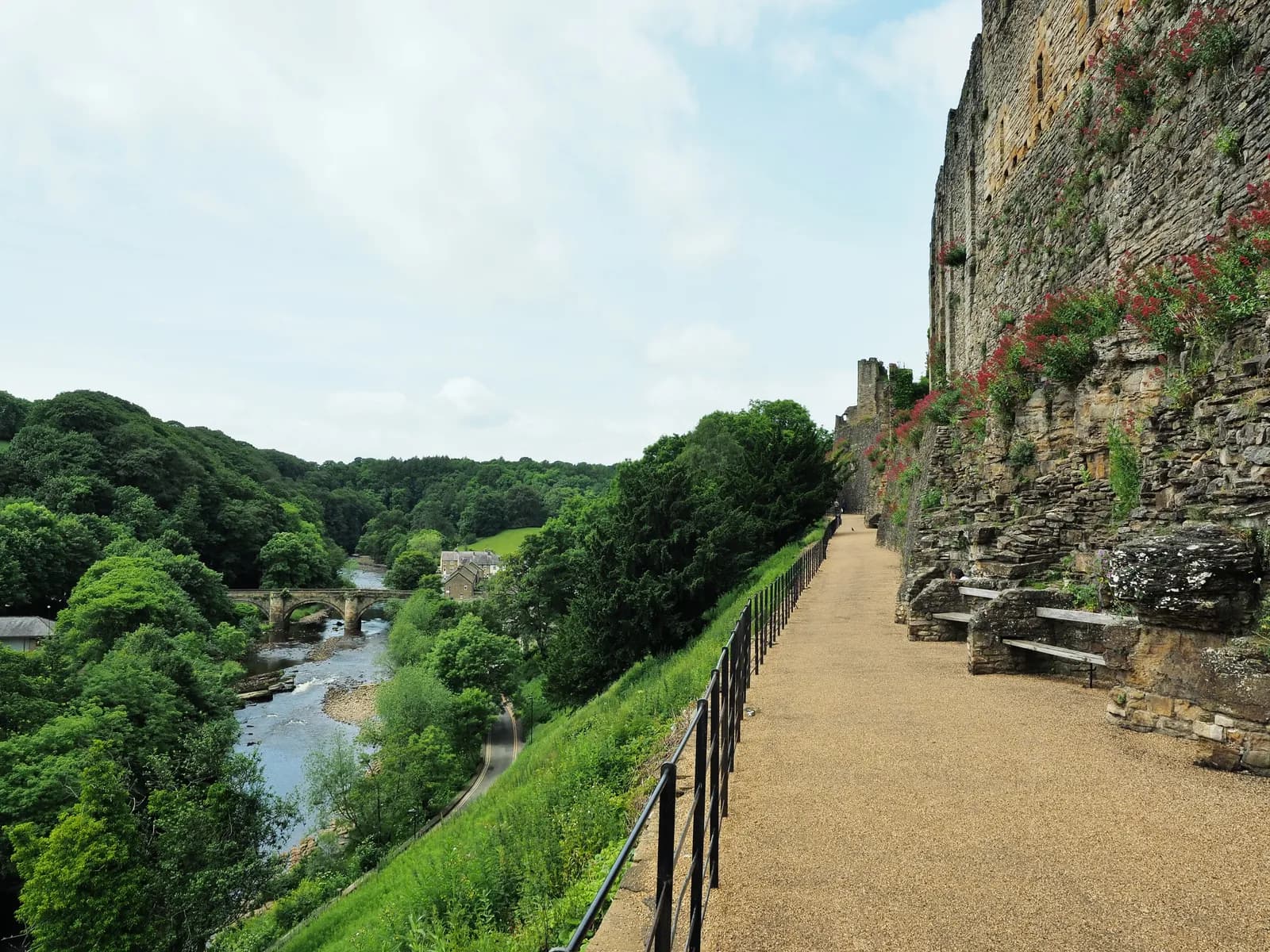
The story has resonated through the decades. In 1995, Tyne Tees Television produced a documentary about the Richmond Sixteen. In June 2013, the Teesdale and Cleveland Area Quaker Meeting held a silent commemoration at Richmond Castle. English Heritage has laid out the Cockpit Garden at the castle as a memorial to the men, a decision that proved controversial given Richmond's economic ties to the nearby Catterick Garrison. In May 2016, English Heritage announced plans to conserve the graffiti the men left upon the cell walls, ensuring their voices from a century past remain visible.
Richmond's Place in History
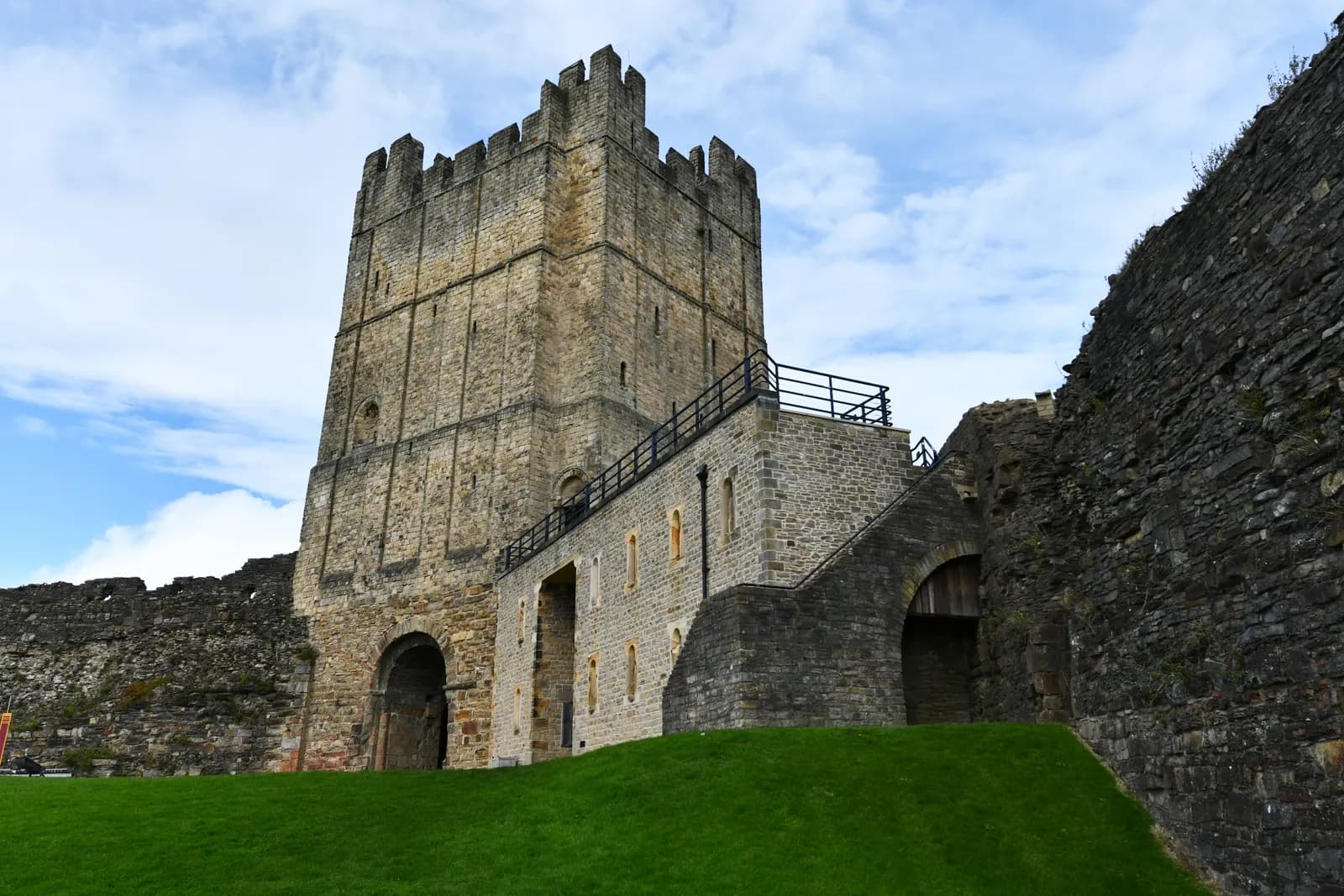
The imprisonment of the Richmond Sixteen places this North Yorkshire market town at the centre of a pivotal moment in British civil liberties. The Norman castle that dominates Richmond's skyline served an unexpected role in the First World War, not as a fortress against foreign enemies, but as a prison for men whose moral convictions placed them in opposition to their own government.
Their graffiti, carved in desperation and defiance, transforms Richmond Castle from a monument to medieval military power into a testament to individual conscience. The town thus holds a significant place in the history of pacifism and the right to refuse military service on grounds of belief.
The Richmond Sixteen remind us that even in times of national crisis, the question of individual conscience remains vital. Their story, written into the very fabric of Richmond Castle, continues to provoke reflection on the limits of state authority and the price of principled dissent.