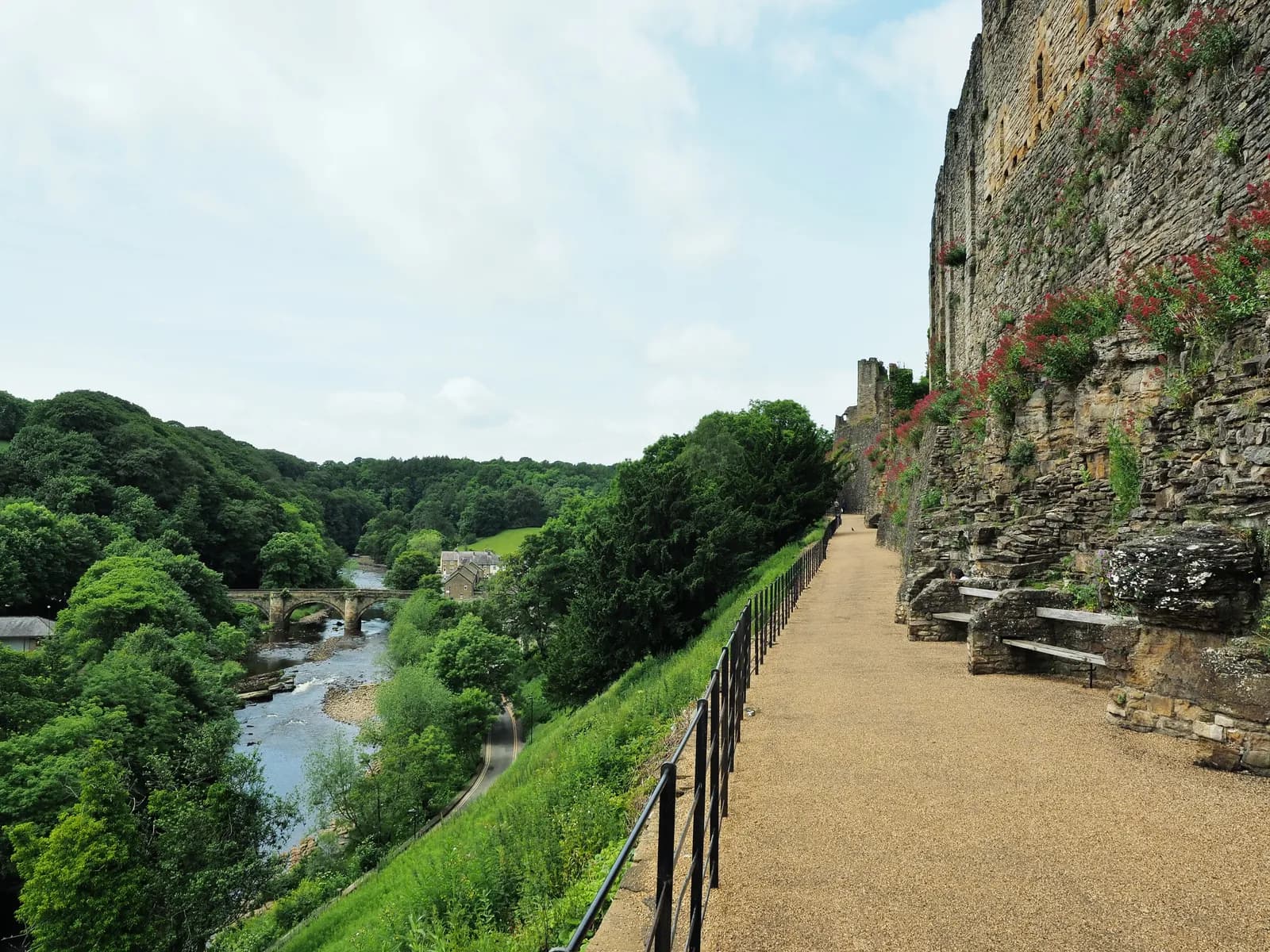
High above the River Swale, Richmond Castle has stood watch over North Yorkshire for nearly a thousand years. Its Norman keep and weathered walls hold more than medieval history; they harbour one of the region's most enduring legends—the tale of the Drummer Boy who vanished into the castle's depths and whose ghostly presence is said to linger still.
The Legend of the Lost Drummer
According to local folklore, a drummer boy once entered a tunnel beneath Richmond Castle to explore its dark passages. He was never seen again. The tale holds that his ghostly drumming can sometimes be heard around the castle grounds, a spectral rhythm echoing through the centuries.
This story belongs to a tradition of tunnel legends common to ancient fortifications across Britain. Such tales often involve foolhardy explorers who venture into subterranean passages, only to meet mysterious fates. The Richmond version follows this pattern, though the specific identity of the drummer boy and the precise date of his disappearance remain lost to time.
A Castle of Stone and Stories
Richmond Castle's origins date to 1071, when Alan Rufus began constructing the fortress following the Norman Conquest. Originally named Riche Mount, meaning "the strong hill," the castle dominated the surrounding landscape and served as a symbol of Norman power in the north. The Domesday Book of 1086 records "a castlery" at Richmond, confirming its early significance.
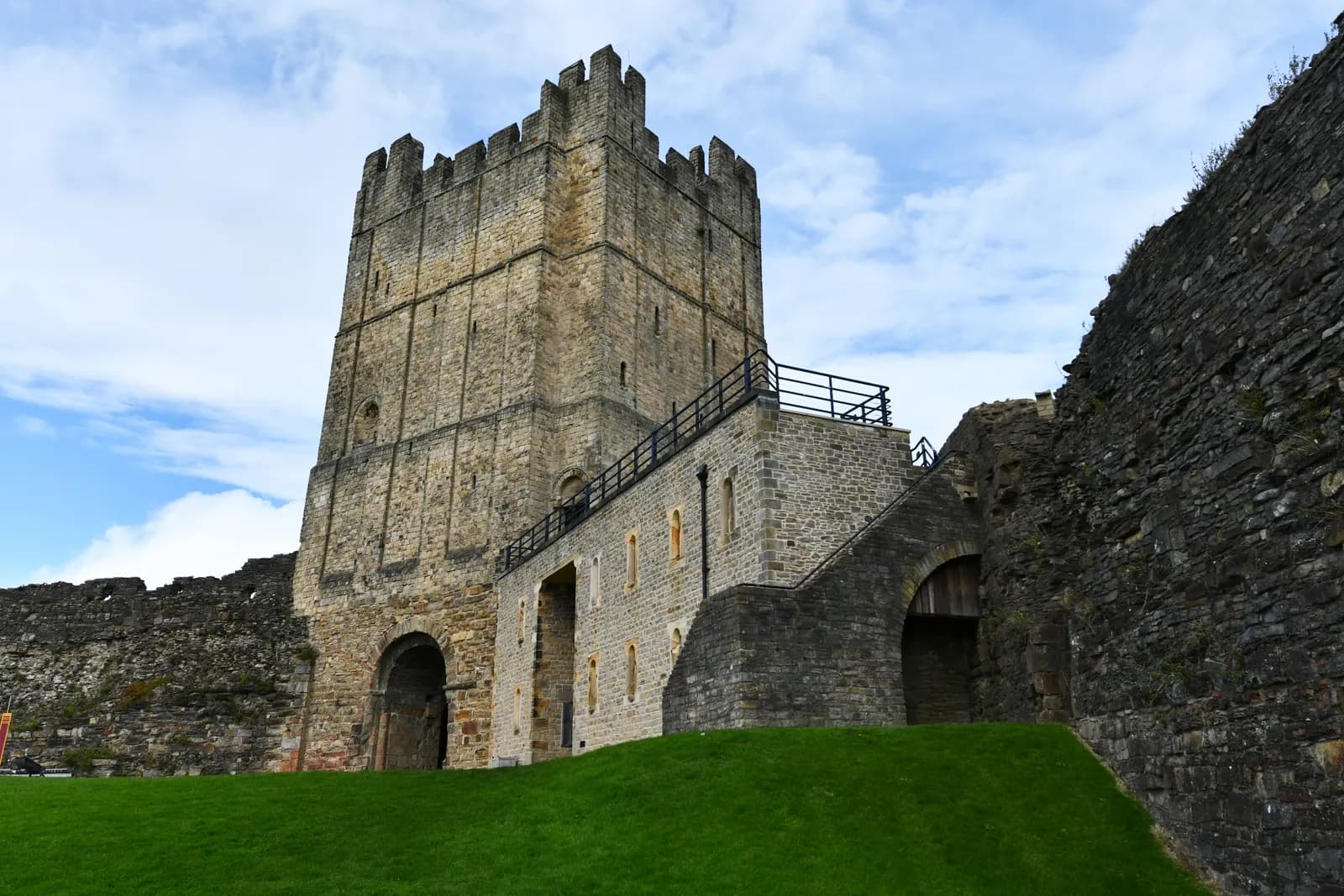
The castle expanded considerably in the 12th century when Alan Rufus's great-nephew Conan built the keep that still towers over the town today. Standing 100 feet high with walls 11 feet thick, the keep represented one of the most formidable fortifications of its era. Henry II later added towers and a barbican after seizing the Earldom of Richmond in 1158.
By the 14th century, the castle had ceased to function as an active fortress. By 1538, portions had fallen into ruin. Nevertheless, the structure remained an important local landmark, and renewed interest in antiquities during the 19th century led to repairs on the keep.
The castle's later history includes service as headquarters for the North Yorkshire Militia from 1855, construction and subsequent demolition of a barracks block, and residence by Robert Baden-Powell, founder of the Boy Scouts, from 1908 to 1910. During the First World War, the castle held conscientious objectors, including the famous "Richmond Sixteen."
Folklore and Local Identity
The Drummer Boy legend represents more than a ghost story; it forms part of Richmond's cultural identity. Such tales connect modern residents to the generations who lived, worked, and died within the castle's shadow. The story also shares the castle's legendary landscape with another famous tale—that King Arthur and his knights sleep in a cave beneath the fortress, once reportedly discovered by a potter named Thompson.
These legends reflect the human tendency to populate ancient places with mystery and meaning. A castle that has witnessed nearly a millennium of history naturally accumulates stories, and the Drummer Boy tale has proven particularly durable in local memory.
Visiting the Castle Today
Richmond Castle now operates as a scheduled monument and Grade I listed building under the care of English Heritage. Visitors can explore the keep, the original 11th-century main gate arch (now in the basement of the 12th-century keep), and the castle grounds where the Drummer Boy's drumming is said to echo on quiet evenings.
Whether the legend holds any historical basis remains unverified. No documented evidence confirms the existence of the tunnels described in the tale, nor has any record surfaced identifying the supposed drummer boy. Yet the story persists, passed down through generations of Richmond residents and visitors.
For those walking the castle walls at dusk, the legend adds a layer of atmosphere to an already evocative site. The sound of wind through the ancient stonework might, to imaginative ears, carry something of the rhythm that folklore attributes to the lost drummer boy, still beating out his ghostly march beneath the strong hill.