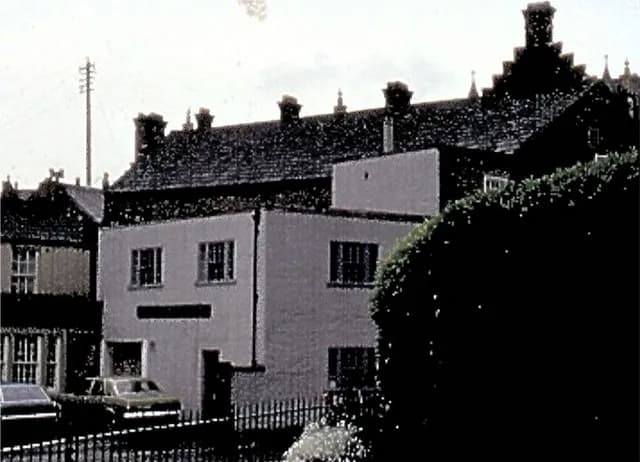
The Georgian Theatre Royal stands as Richmond's most remarkable survival from the 18th century. Built in 1788 by actor-manager Samuel Butler, this modest playhouse on Victoria Road is recognised as Britain's most complete surviving Georgian theatre.
From Stage to Auction House
The theatre opened when Richmond was enjoying prosperity from the lead mining industry. Butler, who operated a circuit of playhouses across Yorkshire and beyond, saw opportunity in the growing market town. The auditorium seated 214 people, arranged in boxes and pit seating typical of the era.
Regular theatrical performances ceased in 1830. The building then began a second life that would last more than a century. From 1848 until 1963, the theatre served as an auction house. During these years, the structure remained largely intact though hidden from public view, its stage and seating preserved beneath layers of auction furniture and goods.
Rediscovery and Restoration
The theatre's transformation back to theatrical use began in 1963, when a non-profit trust reopened the building. This rescue came just as post-war preservation efforts were gathering momentum across Britain.
The structure has undergone several phases of restoration and expansion. A £1.6 million project completed in 2003 added a museum and improved facilities. Further work in 2013, funded by a campaign that raised over £122,500, created new bars, a box office, and updated amenities.
What Survives
The Grade I listed building retains its original fabric to an unusual degree. Most remarkable is "The Woodland Scene," believed to be the oldest surviving stage scenery in the world, dating from around 1820. This painted backdrop, along with much of the original wooden stage machinery and seating, makes the theatre an irreplaceable record of 18th-century performance spaces.
The Georgian Theatre Royal Experience, opened in August 2016, displays artefacts and explains the building's history to visitors.
Richmond's Theatre Today
Dame Judi Dench serves as the theatre's president. The venue now operates as a working theatre alongside its museum function, hosting performances throughout the year. The associated youth theatre counts between 130 and 150 students, with an annual programme that has included new work for the Edinburgh Fringe Festival.
For Richmond, the theatre forms part of the town's cluster of heritage attractions alongside the Norman castle and Easby Abbey. The building represents a rare instance of a Georgian playhouse that escaped conversion to other permanent uses, survived decades of alternative employment, and returned to theatrical purpose.